Does Using Professional Drying Equipment Make a Difference in Restoration Results?
After water damage, many homeowners grab towels, open windows, and run a few fans, hoping to dry everything out quickly. It’s a natural first instinct — but unfortunately, household fans and air circulation alone can’t remove the deep moisture that causes long-term problems.
That’s why professional drying equipment isn’t just “nice to have” — it’s essential. It’s the difference between a surface that looks dry and a structure that actually is dry. And that difference determines whether your home stays healthy or develops mold, odors, and hidden structural issues weeks later.
Here’s why professional drying tools and techniques make such a dramatic impact — and what happens behind the scenes when experts use them.
1. Water Damage Is Deeper Than It Looks
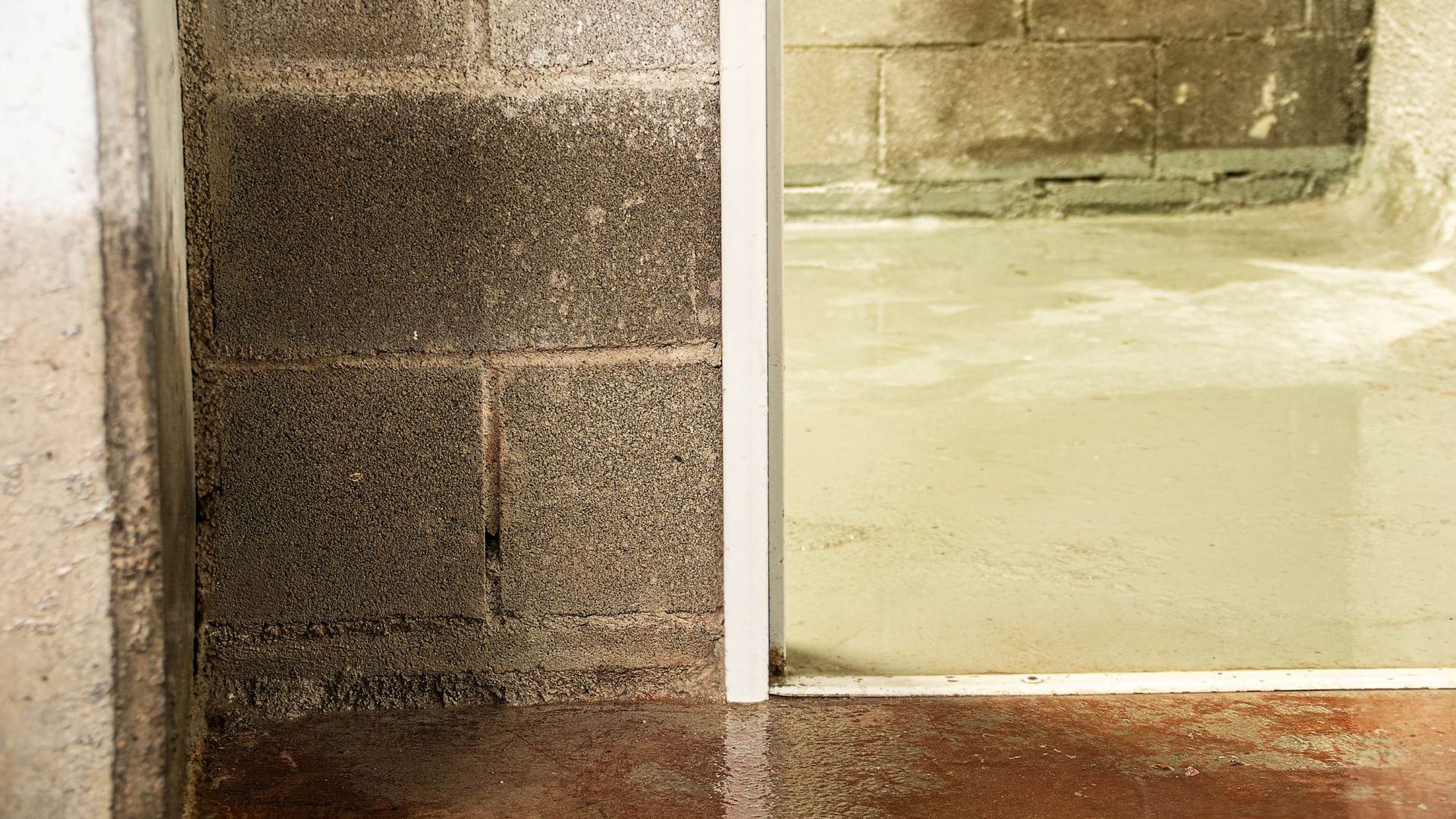
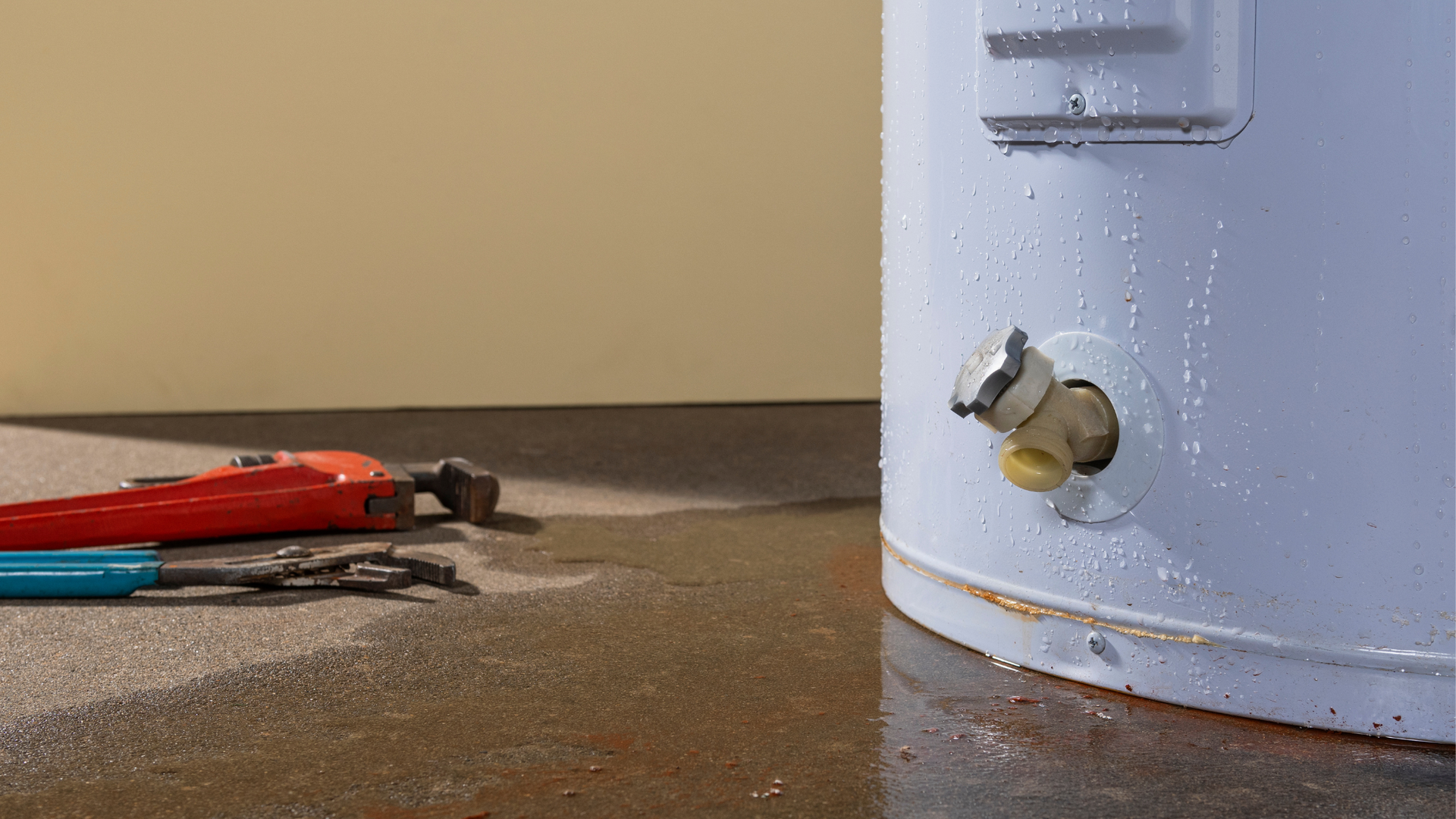
When water enters your home, it doesn’t stay on the surface. It seeps into cracks, baseboards, insulation, and subfloors. Porous materials like drywall and wood soak it up quickly, holding moisture long after the visible puddles are gone.
Even if a floor feels dry, the layer beneath may still be saturated. That trapped moisture leads to:
- Mold and mildew growth
- Warped flooring or wood rot
- Bubbling paint or drywall damage
- Lingering odors
Professional drying targets the moisture you can’t see or touch, ensuring your home is safe from these hidden threats.
2. Household Fans vs. Professional Air Movers
A typical box fan circulates air — but it’s not designed to extract moisture efficiently. Professional-grade air movers operate at a much higher velocity and are specifically engineered to lift moisture off surfaces and into the air where dehumidifiers can capture it.
Key Differences:
- Feature
- Household Fan
- Professional Air Mover
- Airflow Power
- ~1,000 CFM
- 2,000–3,000+ CFM
- Coverage
- Localized area
- Entire rooms or sections
- Purpose
- Cooling
- Drying and evaporation
- Run Time
- Occasional
- Continuous 24/7 operation
Air movers are positioned strategically along walls, under cabinetry, and across floors to create a consistent airflow pattern. This accelerates evaporation and keeps moisture from settling back into materials.
3. Dehumidifiers: The Unsung Heroes of Drying
Evaporating moisture is only half the job — it must also be removed from the air. Otherwise, that water vapor simply recondenses elsewhere.
That’s where commercial dehumidifiers come in. They pull moist air across cold coils, condensing water into a liquid that’s drained away. Professional units can remove hundreds of pints of moisture per day, dramatically reducing humidity levels.
There are two main types of dehumidifiers used in restoration:
- Refrigerant dehumidifiers: Ideal for warm, humid spaces like basements.
- Desiccant dehumidifiers: Use a drying agent (desiccant) to absorb moisture — perfect for cooler environments or hard-to-dry materials.
The combination of air movers and dehumidifiers creates a closed drying system that balances air movement, temperature, and humidity for maximum effectiveness.
4. Moisture Detection: Finding Hidden Water
Professionals don’t rely on guesswork to decide where to place drying equipment. They use specialized tools like:
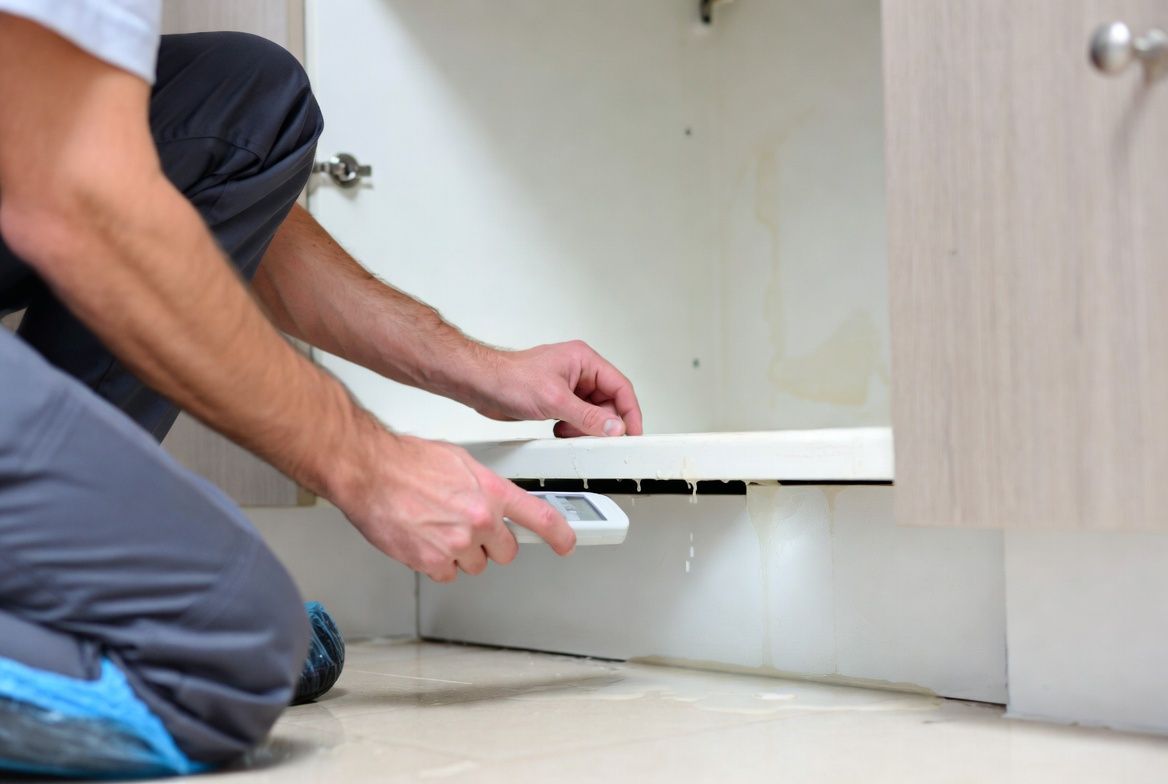
- Moisture meters: Measure exact water content inside walls, floors, and framing.
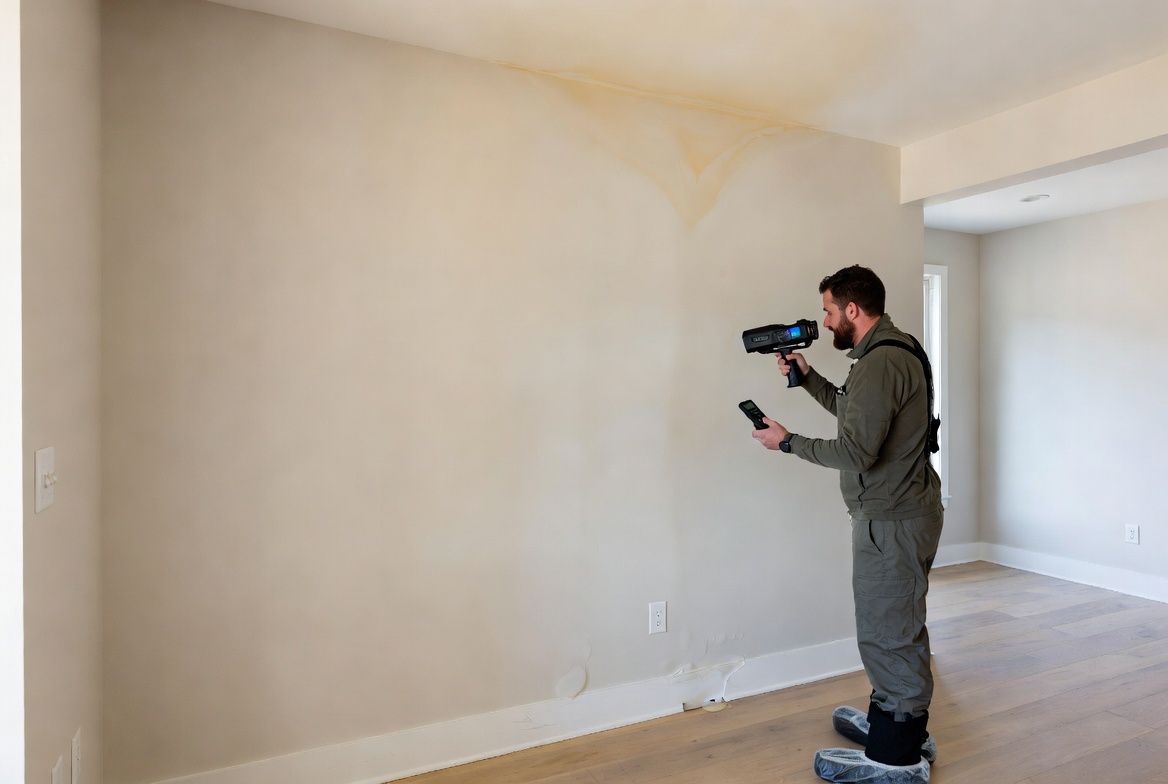
- Thermal imaging cameras: Detect temperature variations that indicate hidden dampness.
- Hygrometers: Track humidity levels in the air to ensure steady progress.
These instruments allow experts to target moisture precisely and verify when the area is truly dry — not just when it looks that way.
5. Heat Drying Systems Accelerate the Process
In some situations, restoration teams use directed heat systems to speed up evaporation. These systems raise the temperature in specific areas, allowing water molecules to escape materials faster.
Unlike household space heaters, which can overheat or cause uneven drying, professional heat systems are monitored carefully to prevent damage. The temperature, humidity, and airflow are all balanced to achieve the fastest possible drying without warping surfaces.
6. Controlled Drying Prevents Mold and Structural Damage
Professional drying is not just about speed — it’s about control. Too much heat or airflow in the wrong direction can push moisture deeper into materials or cause them to crack.
By monitoring drying conditions daily, restoration technicians adjust:
- The angle and number of air movers
- Dehumidifier output
- Temperature and airflow balance
This controlled approach ensures that every material — from hardwood to drywall — dries evenly and safely.
7. Time Is Everything
Mold begins forming within 24–48 hours of water exposure. The longer moisture lingers, the higher the risk of secondary damage. Professional equipment allows technicians to start drying immediately and remove water much faster than any DIY method could.
A properly equipped restoration team can often achieve full structural drying in three to five days, depending on the severity of the damage. Without professional intervention, the same space might take weeks — and during that time, mold, odor, and decay can set in.
8. Professional Equipment Is Designed for Precision
Every piece of drying equipment used by professionals is calibrated and tested for reliability. That means:
- Consistent airflow measurements
- Precise humidity control
- Built-in monitoring sensors to ensure safe operation
Many units are also low-profile to fit under cabinets or between walls — reaching areas most homeowners could never access. This precision matters because water damage doesn’t spread evenly. Some areas dry quickly, while others remain damp. Professional tools can adapt to these variations and maintain even results.
9. Safety and Cleanliness Matter Too
Flood or water-damaged areas can harbor bacteria, dust, and allergens. Professional-grade equipment includes HEPA filters and air scrubbers to clean the air as it circulates. This reduces airborne contaminants and protects both the technicians and your family.
Additionally, restoration professionals follow strict safety standards, ensuring that electrical equipment is grounded, cords are secured, and conditions are monitored — something that’s difficult to replicate in a DIY setup.
10. Verified Drying Prevents Future Problems
One of the biggest benefits of professional drying is documentation and verification. Restoration specialists record moisture readings, humidity levels, and drying progress each day.
This data not only proves that your property is fully dry but also helps support any insurance claims by showing the exact steps taken to prevent secondary damage.
Without these records, it’s nearly impossible to prove that your home was restored correctly if problems reappear later.
11. The Hidden Cost of Cutting Corners
Trying to dry a flooded room with household fans might save money upfront — but it often leads to more expensive repairs later.
Improper or incomplete drying can result in:
- Persistent mold growth
- Structural weakening
- Odors that return weeks later
- Paint and flooring that peel or warp
In short, skipping professional equipment doesn’t save money — it simply delays the real cost.
Dry Homes, Healthy Homes
Professional drying equipment exists for one reason: to restore your home completely, not temporarily. The difference is measured not only in hours but in outcomes — your home stays dry, your air stays clean, and your repairs last.
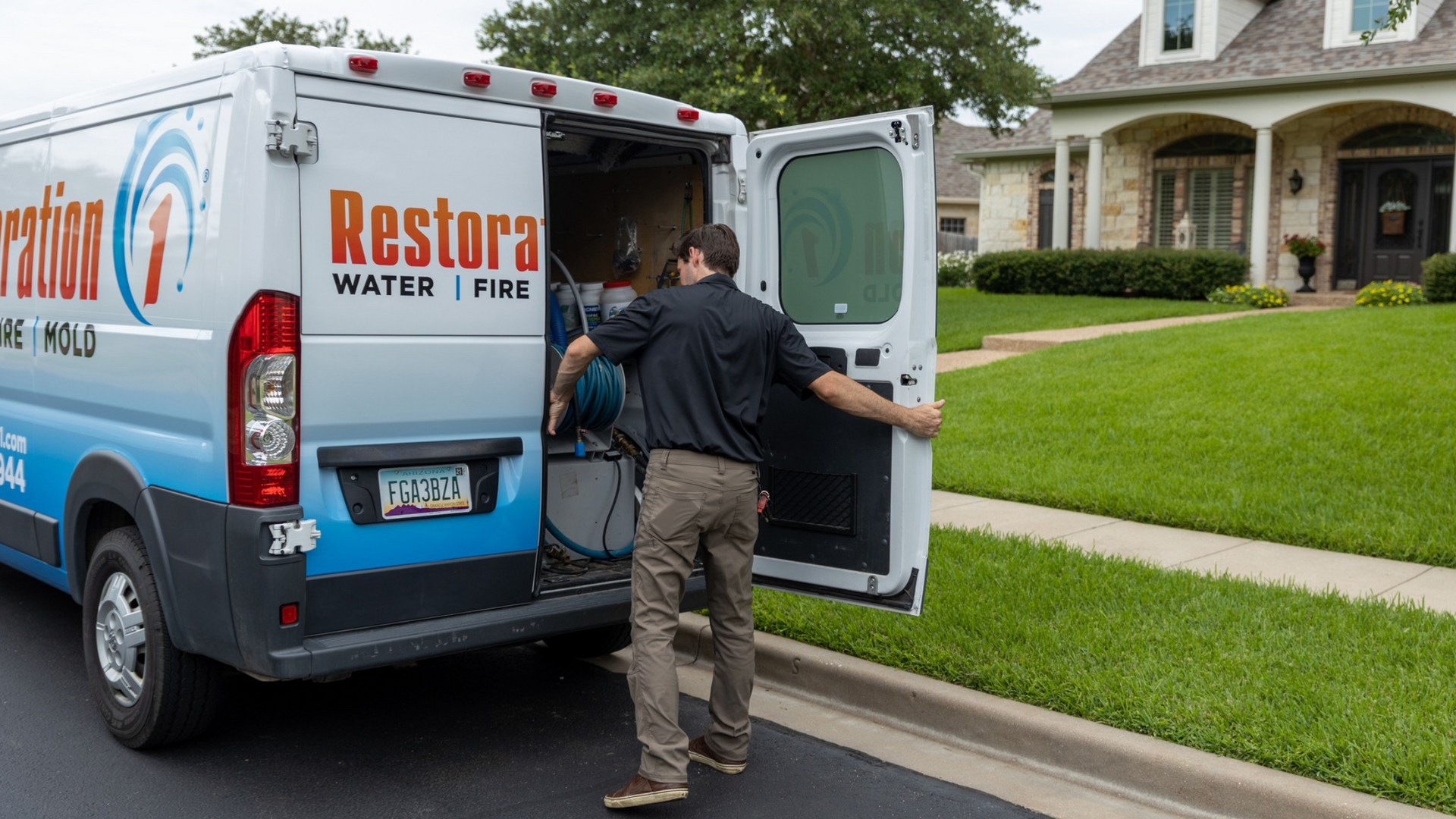
If your property has been affected by water damage, don’t take chances with basic fans or open windows. Call Restoration 1. Our certified experts use industrial-grade drying systems, advanced moisture detection tools, and proven methods to remove every trace of water safely and efficiently.
A dry surface isn’t enough — your home deserves complete restoration from the inside out.