Sign You May Have Hidden Water Damage in Your Walls or Floor
Water damage isn’t always dramatic. Sometimes, it sneaks in quietly — behind walls, under floors, or inside ceilings — where it can linger for weeks or even months before you notice anything wrong. By the time the signs show up, the damage is often much more extensive than it appears on the surface.
Hidden water damage is one of the most common and costly problems homeowners face, but the good news is that early detection can save you from major repairs down the road. Knowing what to look for — and when to call in the professionals — makes all the difference.
Here’s how to spot the subtle warning signs that water might be hiding where you can’t see it.
1. Discoloration or Stains on Walls and Ceilings
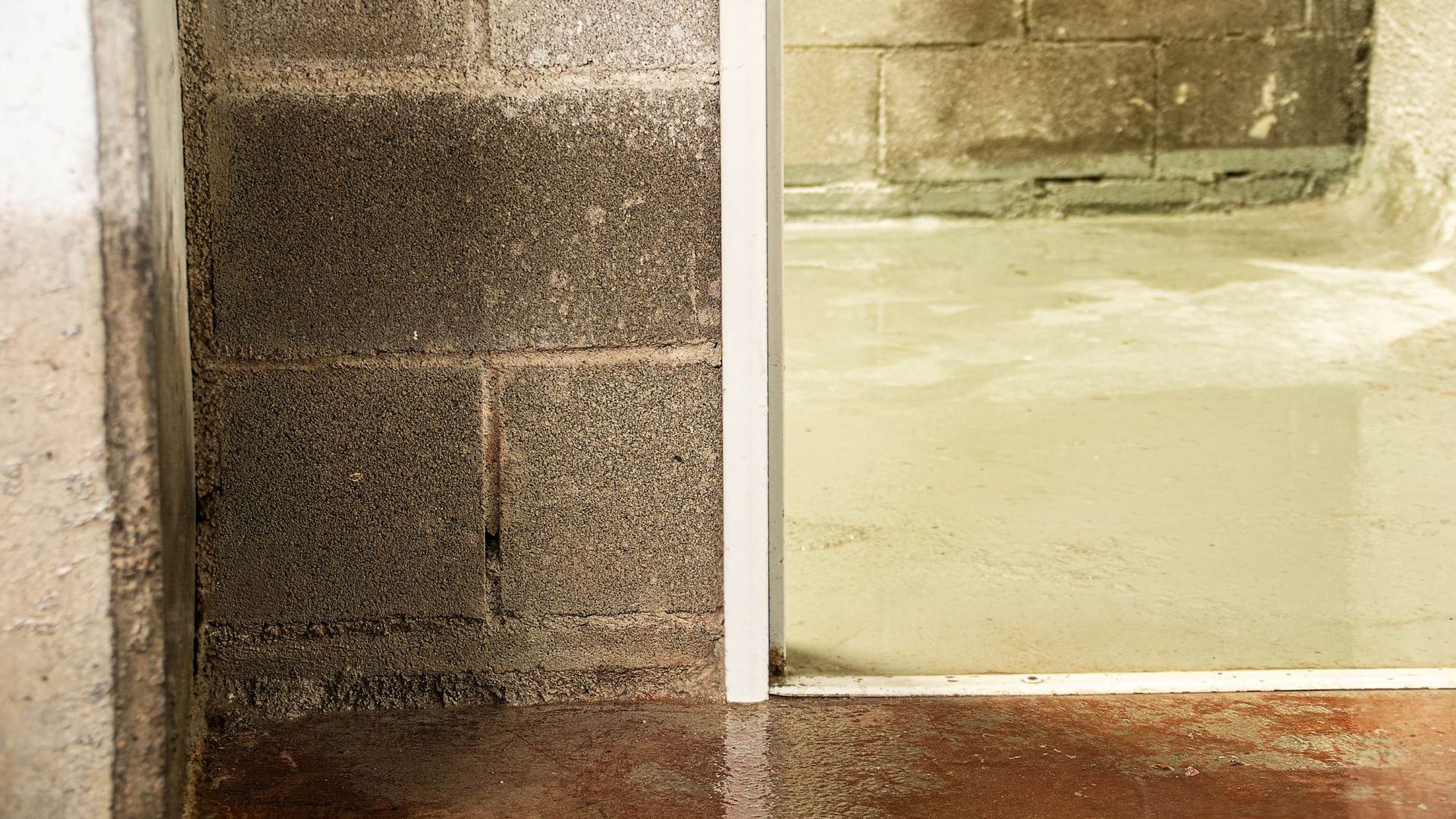
One of the most common signs of hidden moisture is discoloration. Water leaves behind mineral deposits and pigments that create irregular yellow, brown, or copper-colored stains. These marks may appear around ceiling edges, near baseboards, or along walls.
If a spot looks like it’s spreading, darkening, or changing texture over time, it’s a strong indicator that water is continuing to seep in.
Even small stains should never be ignored — they often point to an ongoing leak above or behind the surface.
2. Peeling or Bubbling Paint and Wallpaper
Paint and wallpaper are designed to adhere tightly to dry surfaces. When water gets behind them, that bond breaks. You might notice:
- Bubbles forming under paint
- Wallpaper lifting or wrinkling
- Flaking or blistering areas
This happens because moisture pushes through the surface layer, causing air pockets. Sometimes, homeowners mistake it for normal wear and tear, but bubbling or peeling is almost always caused by trapped moisture underneath.
3. Warped or Buckled Floors
Water doesn’t just damage what’s visible — it can quietly soak into flooring layers and subfloors. You might first notice:
- Cupping or warping in hardwood floors
- Soft spots or spongy areas under carpet or vinyl
- Gaps forming between planks
These are telltale signs of hidden water working its way through the foundation of your flooring. If ignored, it can lead to rot, mold, and structural instability over time.
4. A Musty or Damp Odor
Even before visible signs appear, your nose can alert you to trouble. A musty, earthy smell is one of the earliest indicators of moisture trapped in walls or floors.
That odor comes from mold and mildew spores beginning to grow in damp, dark spaces — often long before you can see them. If you notice a persistent smell that doesn’t go away with cleaning or ventilation, it’s time to investigate further.
5. Mold Growth on Surfaces
Mold doesn’t need much to thrive — just moisture, warmth, and a surface to grow on. While visible mold is a sure sign of a problem, it often means the hidden damage is already well established.
You might spot:
- Dark spots on walls or ceilings
- Fuzzy patches around air vents
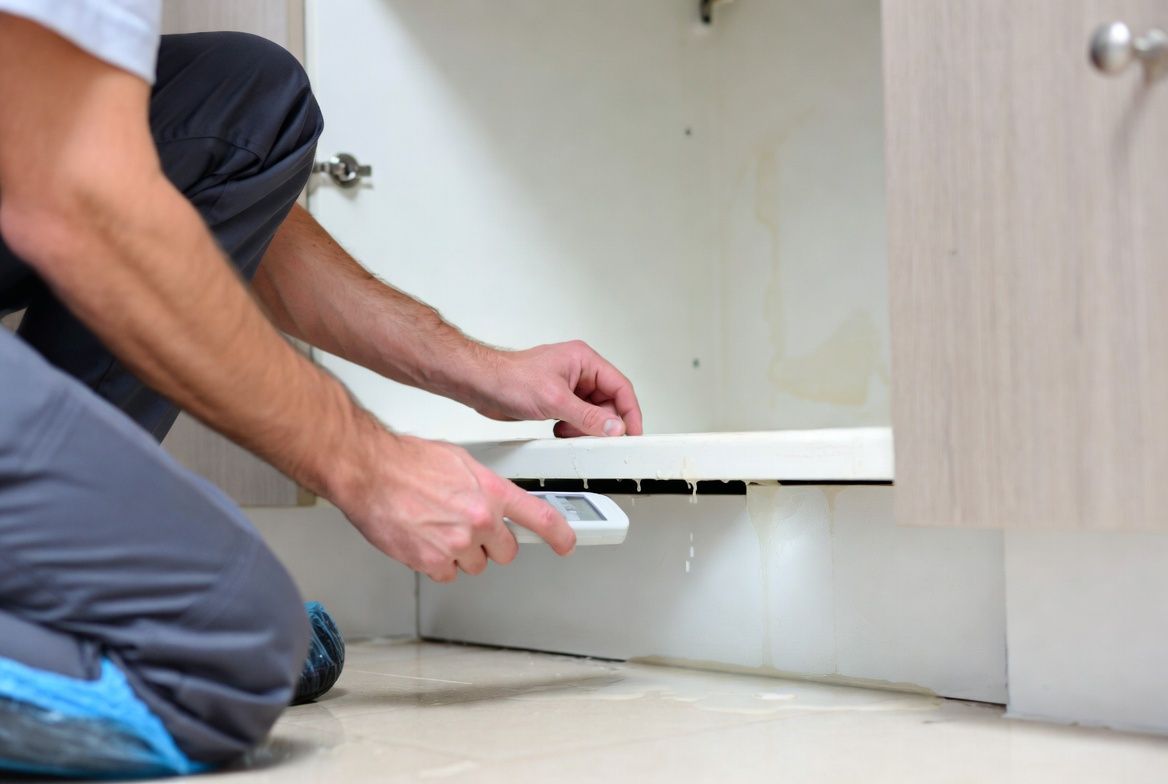
- Growth near baseboards, windows, or under sinks
Once mold appears, the moisture source needs to be identified and eliminated quickly. Cleaning only the surface won’t stop it from coming back if the water issue remains.
6. Unexplained Increase in Water Bills
If your water bill suddenly spikes without any clear reason, it may point to a hidden plumbing leak. A slow, steady drip behind a wall or under a floor can waste hundreds of gallons of water each month — and cause significant unseen damage.
Compare your recent bills with previous months. Even a small, consistent increase could mean water is escaping somewhere it shouldn’t.
7. Cracked or Flaking Drywall and Plaster
Drywall and plaster don’t react well to moisture. As water seeps in, these materials begin to swell, soften, and lose their structure. You might notice:
- Hairline cracks expanding over time
- Areas that crumble when touched
- Soft or spongy textures under paint
If your drywall feels damp or powdery, it’s likely holding moisture from a hidden leak.
8. Floor or Ceiling Sagging
When water damage goes undetected for a while, gravity eventually shows the results. Ceilings may start to sag or bulge downward. Floors may feel uneven or sink slightly underfoot.
This is a serious sign that water has saturated the materials and weakened their support. In extreme cases, these areas can collapse if left untreated, creating both safety and repair risks.
9. Rust on Metal Fixtures or Nails
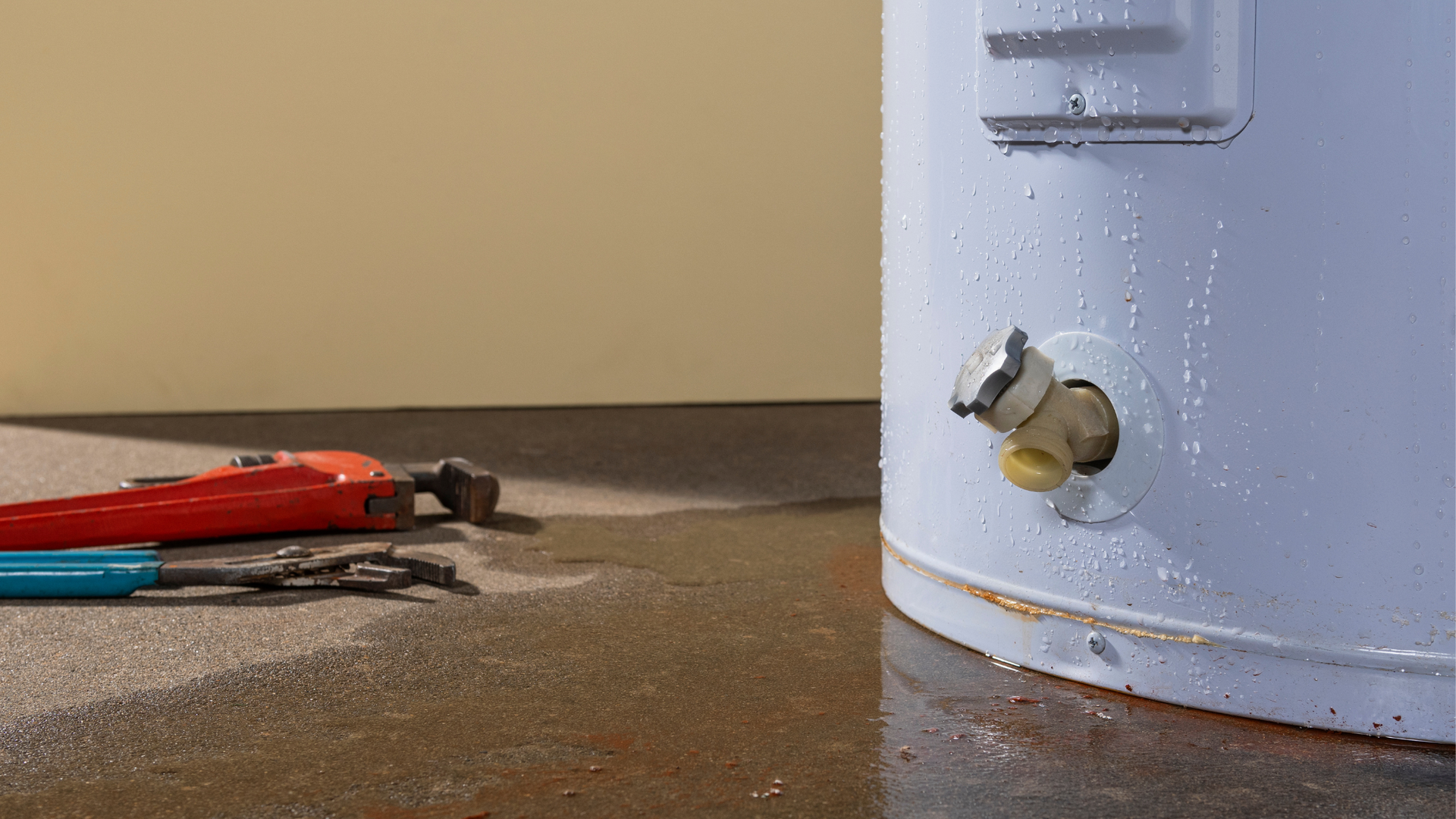
Metal elements like nails, screws, or brackets inside walls shouldn’t rust under normal dry conditions. When you see rust stains bleeding through drywall or around fixtures, it usually means water has been present long enough to corrode the metal.
Rust can also appear on plumbing pipes, electrical boxes, or HVAC vents — any of which can indicate moisture behind the scenes.
10. Unusual Sounds — Dripping, Trickling, or Hissing
Sometimes, the first clue comes from your ears, not your eyes. If you hear water running, dripping, or hissing when no faucets are on, you might be listening to a hidden leak inside the walls or floors.
Try turning off all water sources and checking your meter. If it’s still moving, water is flowing somewhere in the system — likely behind the scenes.
11. Temperature or Humidity Differences Between Rooms
If one room always feels damp, humid, or cooler than others, hidden water damage could be the cause. Moisture affects the temperature and humidity of indoor air. Professional technicians often use thermal imaging to detect these invisible pockets of dampness before they spread.
12. Pests and Termites
Insects are drawn to moisture. If you suddenly notice more pests — especially termites, silverfish, or carpenter ants — it could mean there’s a damp environment attracting them. Sometimes, pest infestations reveal a water problem you didn’t even know existed.
How Professionals Detect Hidden Water Damage
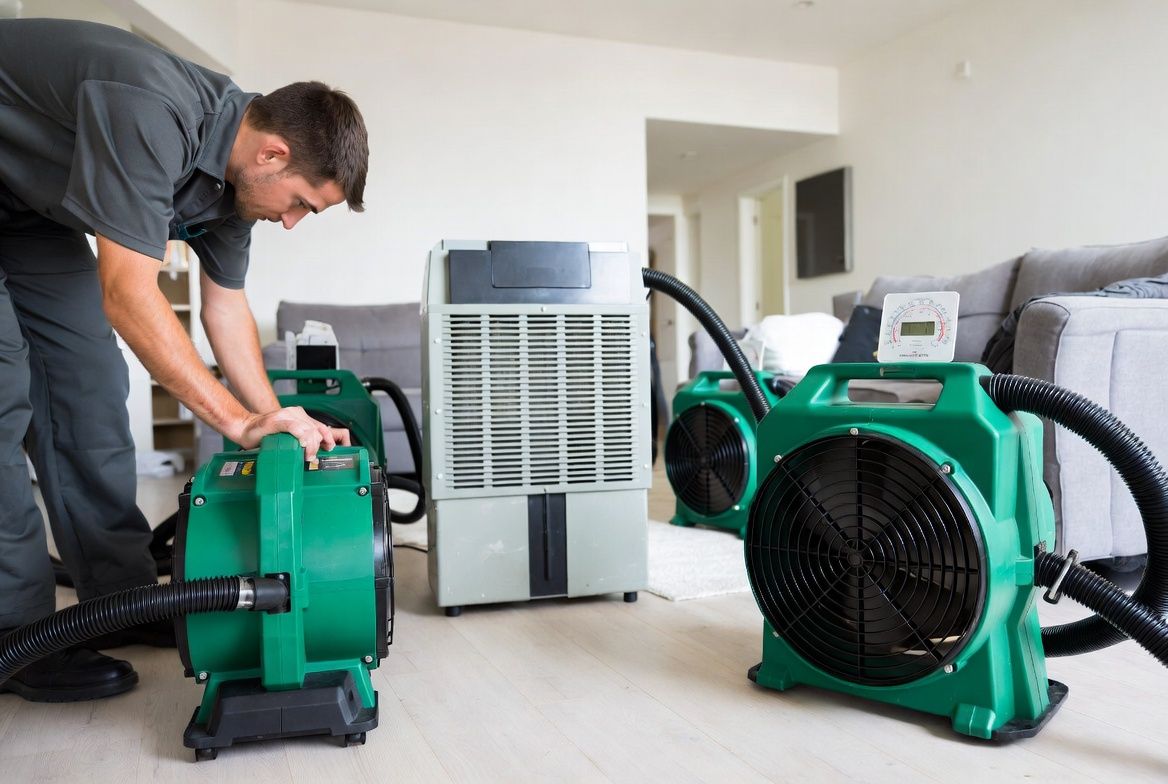
Because so much of this damage happens out of sight, professional tools are often needed to confirm what’s going on behind the surface. Restoration experts use:
- Moisture meters to measure water content inside walls
- Thermal imaging cameras to find cold or damp spots
- Hygrometers to test humidity in the air
- Inspection scopes to look behind walls without major demolition
These tools allow for precise detection and targeted drying, saving time, money, and materials.
Why You Should Never Ignore the Signs
It’s easy to hope a small stain or soft spot will dry out on its own, but water rarely fixes itself. Over time, even minor leaks can lead to:
- Mold growth and poor indoor air quality
- Structural weakening of beams and flooring
- Electrical hazards if water reaches wiring
- Costly repairs and replacements later
Catching and addressing the problem early can prevent most of these issues — and often means the difference between a minor repair and a full restoration.
Protecting Your Home Starts with Awareness
Hidden water damage is one of those problems that grows quietly — until it can’t be ignored. By staying alert to the signs and taking action quickly, you can prevent major structural and health issues.
If you suspect water may be hiding behind your walls or floors, don’t wait to see if it gets worse.
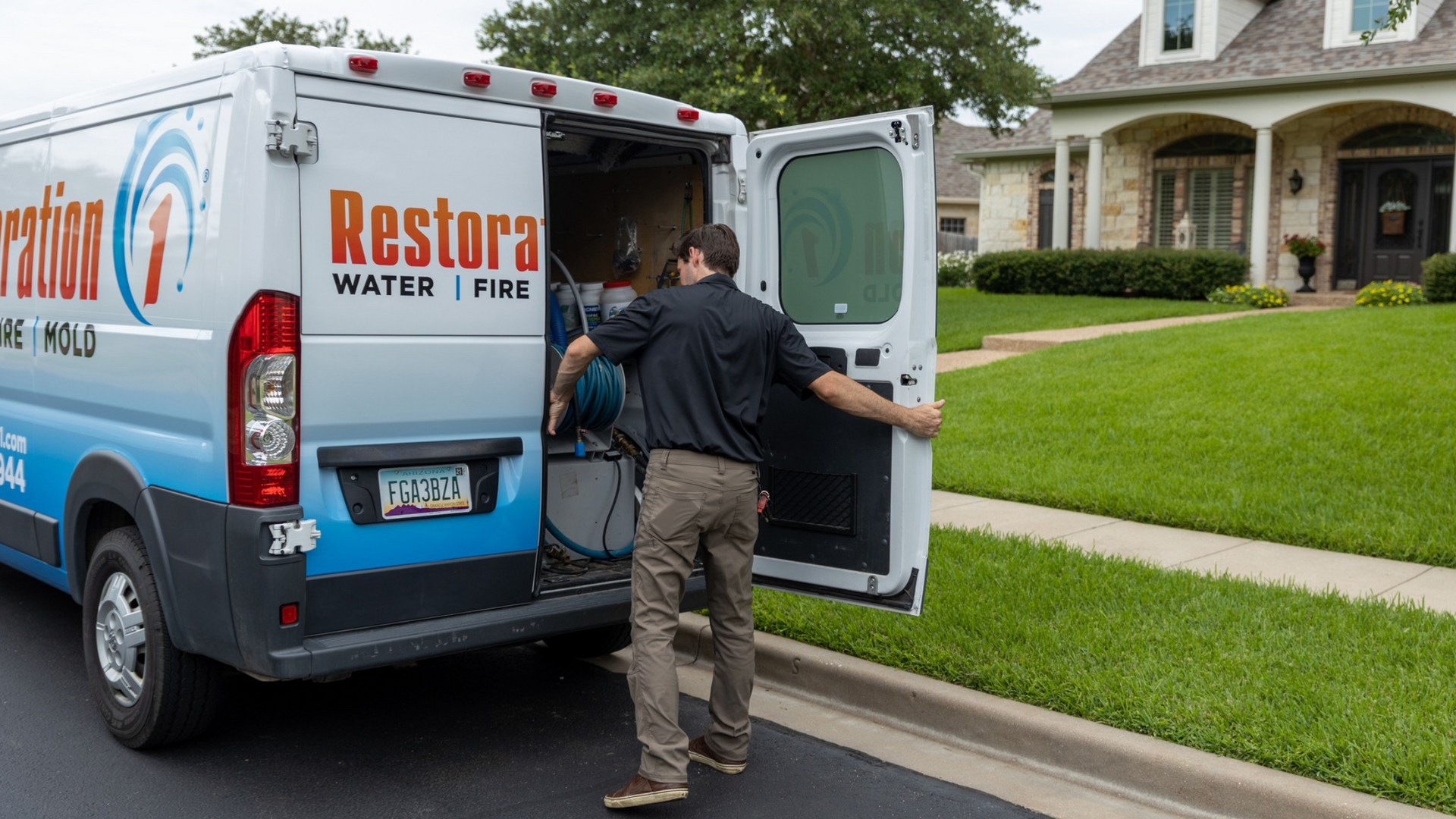
Contact Restoration 1 today. Our experienced team uses advanced tools to detect and dry hidden moisture, repair affected areas, and protect your home from future damage.
The sooner you act, the easier it is to stop water in its tracks — and keep your home strong, safe, and dry.